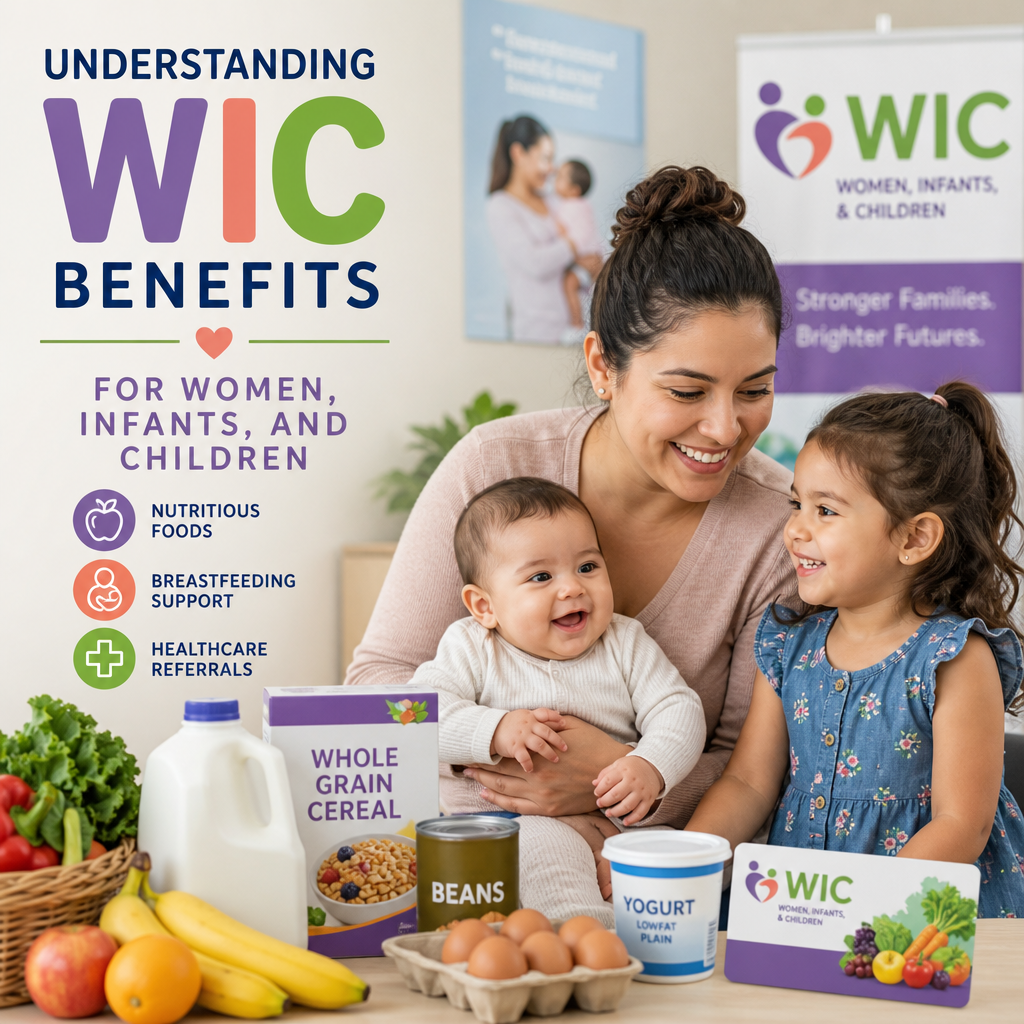
Understanding WIC Benefits for Women, Infants, and Children
WIC benefits can make a big difference for pregnant women, new parents, and young children by providing healthy foods, breastfeeding support, and access to important health resources. Understanding how the program works can help families decide whether WIC is the right support during these critical early years.
By: Emily Adams on July 30, 2026
The WIC benefits for women, infants, and children program is one of the most important public health resources in the United States for families who need extra support during pregnancy, infancy, and early childhood. WIC stands for the Special Supplemental Nutrition Program for Women, Infants, and Children. It helps eligible households buy nutritious foods, access breastfeeding support, and connect with health and nutrition services that can make a real difference in a child’s development.
For many families, WIC benefits for women, infants, and children are more than just food assistance. They can help reduce stress during a critical time, support healthy growth, and create a stronger foundation for lifelong wellness. If you are pregnant, recently postpartum, caring for a baby, or raising a young child, understanding how WIC works can help you decide whether it is a good fit for your family.
What Is WIC?
WIC is a federally funded nutrition program administered through state and local agencies. It is designed to support:
Pregnant women
Postpartum women
Breastfeeding mothers
Infants
Children up to age 5
Unlike broad food assistance programs, WIC focuses on nutrition during key stages of development. The program provides specific food packages, nutrition education, breastfeeding support, referrals to health care and social services, and in many locations, modern tools like WIC cards or mobile-friendly systems for purchasing approved foods.
WIC is not a cash benefit. Instead, it helps eligible participants get the foods and services they need to support healthy pregnancies and child development.
Who Can Get WIC Benefits for Women, Infants, and Children?
Eligibility for WIC is based on several factors. While details can vary slightly by state, most applicants must meet the following requirements:
1. Categorical eligibility
You must belong to one of the groups WIC serves:
Pregnant women
Postpartum women
Breastfeeding women
Infants
Children under age 5
2. Income eligibility
Household income must generally be at or below a certain level, often based on federal poverty guidelines. Some families already enrolled in programs such as Medicaid, SNAP, or TANF may automatically meet income rules in many states.
3. Nutrition risk
A health professional or WIC staff member must determine that you or your child has a nutrition-related risk. This does not always mean a serious medical issue. Common examples include:
Low iron levels
Inadequate weight gain during pregnancy
Diet concerns
Feeding difficulties
Premature birth
Certain growth or developmental concerns
This nutrition risk requirement is one of the reasons WIC benefits for women, infants, and children are so targeted. The program is intended for families who could benefit most from added nutrition support.
What Do WIC Benefits Include?
WIC provides several types of support, and the exact package may depend on the participant’s category, age, and nutritional needs.
Nutritious food benefits
WIC food packages are designed to support healthy eating patterns. Approved foods often include:
Fruits and vegetables
Whole grains
Low-fat dairy or dairy alternatives
Eggs
Peanut butter
Beans and lentils
Infant formula or baby foods, when needed
Iron-fortified cereal
Juice in certain categories
These foods are chosen because they supply nutrients that are especially important during pregnancy, breastfeeding, infancy, and early childhood.
Breastfeeding support
WIC strongly encourages and supports breastfeeding when possible. Services may include:
One-on-one breastfeeding counseling
Access to lactation consultants
Breast pumps for eligible participants
Educational materials and classes
Peer support from other breastfeeding mothers
This support can be especially valuable for new parents navigating feeding decisions for the first time.
Nutrition education
WIC offers practical guidance on topics such as:
Healthy meal planning
Infant feeding
Introducing solid foods
Managing picky eating
Reading food labels
Preparing affordable, nutritious meals
This education is often simple, hands-on, and tailored to real family needs.
Health and social service referrals
WIC staff can connect participants with other helpful resources, such as:
Prenatal care
Pediatric care
Immunization services
Dental care
Housing or food resources
Parenting support
These referrals can make it easier to access care early, before small concerns become bigger problems.
Why WIC Matters for Families
WIC benefits for women, infants, and children can have a meaningful impact because they address some of the most important stages of growth and development.
During pregnancy
Good nutrition during pregnancy supports the health of both the parent and the baby. WIC can help pregnant women:
Maintain healthy eating habits
Get nutrients like iron, calcium, and folic acid from approved foods
Receive support for weight gain concerns
Learn more about prenatal nutrition
In infancy
Babies grow quickly and have special nutritional needs. WIC may help parents:
Choose the right formula when needed
Support breastfeeding
Transition to solids at the right time
Monitor feeding patterns and growth
During early childhood
Children ages 1 to 5 are forming habits that can last a lifetime. WIC helps families:
Offer healthier meals and snacks
Encourage regular eating routines
Support growth and development
Introduce a variety of foods
For many households, WIC also reduces the monthly food budget pressure, which can make it easier to choose healthier options.
How to Apply for WIC
The application process is usually straightforward, but it may vary by state.
Step 1: Contact your local WIC office
You can usually find your local office through your state WIC agency website. Many offices now allow online appointment requests or initial screening.
Step 2: Gather required documents
You may need to bring:
Proof of identity
Proof of address
Proof of income
Proof of pregnancy, if applicable
Immunization or medical records for children, if available
Step 3: Attend a WIC appointment
At the appointment, staff may review your documents, ask a few health and nutrition questions, and measure height, weight, or iron levels if needed.
Step 4: Receive your benefits
If approved, you will receive your food benefits and instructions for using them. Many states now use an electronic card system that works like a debit card at approved retailers.
How WIC Benefits Are Used
Using WIC is usually simple once you understand the process.
Approved food list
Each participant receives a food package based on age and category. You can only buy approved items from the list, which may include store-brand or specific package sizes.
Shopping with WIC
To use benefits:
Check your benefit balance.
Shop at an authorized WIC store.
Select approved foods.
Pay with your WIC card or other state-approved method.
A helpful tip is to review the store’s WIC shelf tags or app tools before shopping to avoid checkout surprises.
Common mistakes to avoid
Buying the wrong size or brand
Forgetting to separate WIC items from non-WIC items
Not checking the monthly benefit balance
Letting benefits expire before using them
Common Myths About WIC
Misunderstandings about WIC can keep families from applying. Let’s clear up a few common myths.
“WIC is only for unemployed people.”
Not true. WIC is based on income and nutrition risk, not employment status alone. Many working families qualify.
“WIC is the same as food stamps.”
WIC is different from SNAP. SNAP provides broader food purchasing support, while WIC is a nutrition-focused program with specific food packages and services.
“Only mothers can apply.”
WIC serves women, but it also supports infants and children. In some situations, guardians or foster parents may apply for eligible children.
“Using WIC is complicated or embarrassing.”
Many families find the process manageable, and WIC staff are there to help. The program is designed to support families, not judge them.
Tips for Getting the Most from WIC
If you qualify for WIC benefits for women, infants, and children, a few simple strategies can help you make the most of the program.
Plan around your benefit cycle
Keep track of when your benefits are issued and when they expire. A quick monthly reminder can help you avoid losing food benefits you already received.
Build meals from WIC foods
Try to combine approved items into easy meals. For example:
Whole-grain cereal with milk and fruit
Beans with rice and vegetables
Yogurt with fruit
Scrambled eggs with whole-grain toast
Ask questions
WIC staff can explain how to use benefits, which foods qualify, and how to navigate breastfeeding support. If something is unclear, ask before your next shopping trip.
Use the education resources
The nutrition education piece is not just paperwork. It can help with real-life concerns like picky eating, infant feeding schedules, and budget-friendly meal ideas.
Frequently Asked Questions
1. What does WIC stand for?
WIC stands for the Special Supplemental Nutrition Program for Women, Infants, and Children. It is a federal nutrition program that provides food benefits, breastfeeding support, nutrition education, and referrals to health services for eligible families.
2. Can working families qualify for WIC?
Yes. Employment alone does not disqualify a family. Eligibility depends on household income, categorical eligibility, and nutrition risk. Many working families meet the requirements, especially if they have young children or are pregnant.
3. Is WIC only for mothers?
No. WIC supports women, infants, and children, but the program can also help other caregivers apply on behalf of eligible children. The key is whether the person being served meets the program’s age, nutrition, and income requirements.
4. What foods can you buy with WIC?
Approved foods vary by state and participant category, but commonly include fruits, vegetables, whole grains, milk, eggs, yogurt, peanut butter, beans, infant formula, and baby foods. WIC food packages are designed to support healthy nutrition during pregnancy and early childhood.
5. Does WIC help with breastfeeding?
Yes. Breastfeeding support is one of WIC’s core services. Many local programs offer counseling, classes, peer support, and breast pumps for eligible participants. WIC encourages breastfeeding when possible and helps parents address common challenges.
WIC benefits for women, infants, and children play an important role in helping families access nutritious foods, breastfeeding support, and practical health guidance during some of the most critical stages of development. For pregnant women, new parents, and caregivers of young children, the program can ease financial pressure while supporting healthier outcomes at home.
If you think your household may qualify, the best next step is to contact your local WIC office and ask about eligibility. Even if you are unsure, it is worth checking. WIC is designed to be a supportive, family-centered resource that can help parents make healthier choices, get trusted guidance, and build a stronger foundation for a child’s early years.
Understanding how WIC works can help you use the program confidently and get the most from the benefits available to your family.
Emily A, holds a Master's degree in Public Administration (MPA) and has over 7 years of experience researching federal and state assistance programs. She writes educational content focused on government benefits, public policy, and community resources, using information from official agencies to help readers understand available programs and eligibility requirements.