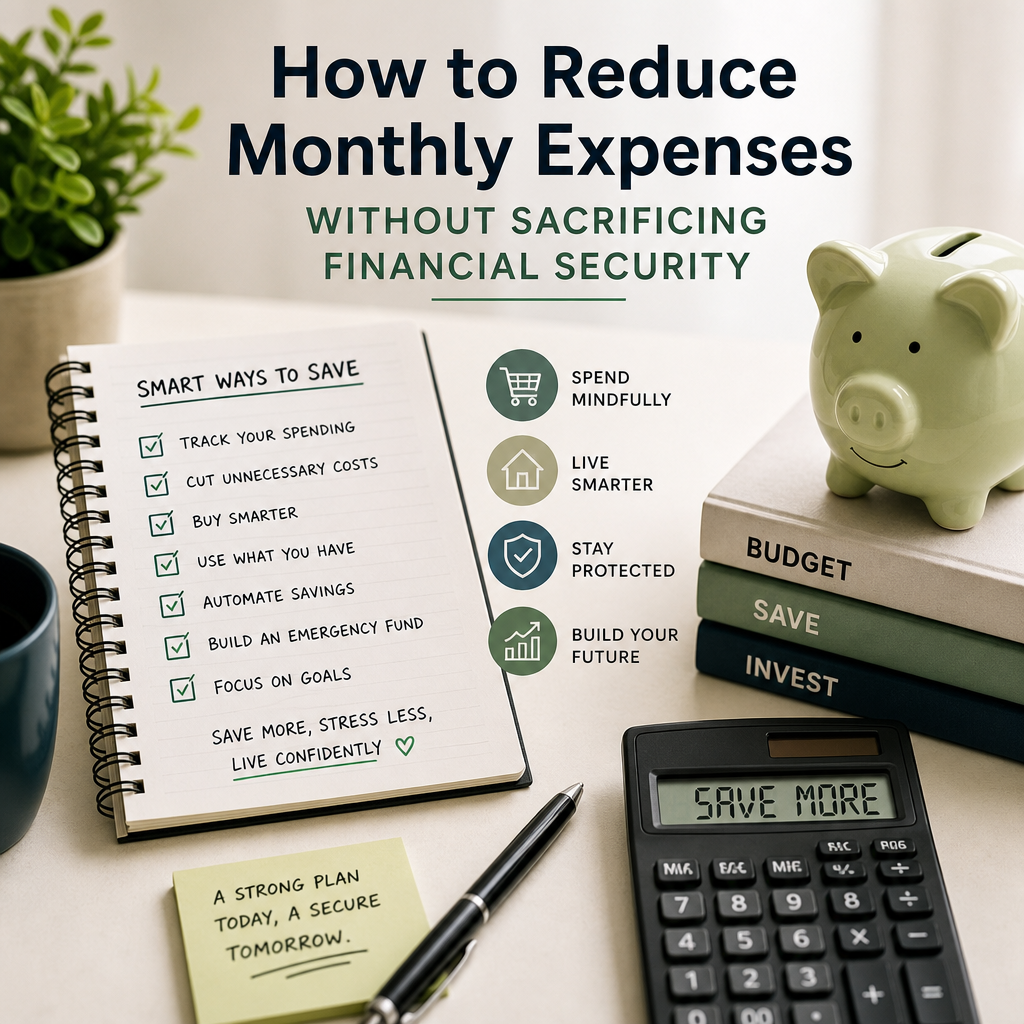
How to Reduce Monthly Expenses Without Sacrificing Financial Security
Learn how to reduce monthly expenses without sacrificing your peace of mind or long-term financial stability. With a few intentional changes, you can free up cash, protect your savings, and stay on track toward your goals.
By: Mary Mitchell on July 30, 2026
Reducing spending can feel risky when your goal is to stay financially secure, but it does not have to mean cutting corners or living uncomfortably. In fact, learning how to reduce monthly expenses while maintaining financial security is one of the smartest ways to create breathing room in your budget without putting your future at risk. The key is to make intentional changes that lower recurring costs, protect your emergency savings, and preserve the habits that keep your finances stable.
Many people assume expense-cutting means skipping essentials, but the better approach is to identify waste, renegotiate fixed costs, and build a spending system that supports your priorities. Whether you are trying to pay down debt, increase savings, or simply regain control of your money, the strategies below can help you reduce monthly expenses in a sustainable way.
How to Reduce Monthly Expenses While Maintaining Financial Security
The safest way to lower your monthly spending is to start with visibility. You need to know where your money goes before you can decide what to trim. From there, focus on recurring expenses first, since those have the biggest long-term effect.
Start with a realistic expense audit
Before making cuts, review at least two or three months of bank and credit card statements. Look for patterns in:
This exercise helps you spot opportunities without guessing. For example, you may discover that small recurring charges add up more than you realized, or that you are paying for services you barely use.
Protect your emergency fund first
When people try to reduce monthly expenses, they sometimes make the mistake of raiding savings to cover regular bills. That can create financial instability fast. Instead, treat your emergency fund as off-limits except for true emergencies such as job loss, major medical expenses, or urgent repairs.
If your income is tight, focus on lowering expenses so you can preserve or rebuild your emergency savings. Financial security depends not just on spending less, but on having a cushion when life gets unpredictable.
Lower Fixed Costs Without Sacrificing Stability
Fixed costs are often the easiest place to find meaningful savings because they repeat every month. Even a small reduction can improve your cash flow for the rest of the year.
Reevaluate housing expenses
Housing is usually the largest monthly expense for most households. While moving is not always practical, there may still be ways to reduce the burden:
Refinance a mortgage if rates and your credit profile make it worthwhile
Negotiate rent renewals when possible
Take on a roommate or rent a room if your living situation allows it
Reduce utility use through weatherproofing, LED bulbs, and smart thermostat settings
Ask your landlord about maintenance issues that affect heating or cooling efficiency
If you are already in a stable home, avoid making a rushed move just to save a little money. Stability matters, and relocation costs can erase short-term savings.
Review insurance policies carefully
Insurance is essential, but that does not mean you should accept the first price you are offered. Review your auto, renters, homeowners, and health-related coverage to make sure you are not overpaying.
Look for:
Better rates from reputable insurers
Bundling discounts if they do not reduce coverage quality
Higher deductibles only if you can comfortably afford the out-of-pocket cost
Duplicate coverage through credit cards or employer benefits
Policies that no longer match your current needs
The goal is not to strip away protection. It is to pay for the coverage you actually need at a fair price.
Cut subscription creep
Streaming platforms, apps, meal kits, cloud storage, fitness memberships, and digital tools can quietly inflate your monthly budget. Subscription creep happens when small recurring charges pile up over time.
To reduce this:
List every subscription and recurring service
Cancel anything unused or rarely used
Rotate entertainment subscriptions instead of keeping several active at once
Set calendar reminders before free trials renew
Check whether annual billing is cheaper, but only for services you know you will keep
A practical rule: if a subscription does not save you time, money, or stress regularly, it may not belong in your budget.
Reduce Variable Spending in a Sustainable Way
Variable expenses often offer the quickest savings, but the best cuts are the ones you can maintain without feeling deprived or burned out.
Build a smarter grocery plan
Food spending is a major area where you can save without compromising nutrition. The trick is planning ahead instead of relying on convenience.
Try these habits:
Shop with a list and avoid store trips when hungry
Base meals around affordable staples like rice, beans, oats, eggs, frozen vegetables, and seasonal produce
Cook larger portions and use leftovers intentionally
Compare unit prices rather than package size alone
Limit food delivery and takeout to planned occasions
Keep a running inventory so you do not buy duplicates
You do not need extreme couponing or a restrictive diet to lower food costs. Small changes in meal planning can lead to steady monthly savings while supporting healthy eating.
Spend intentionally on transportation
Transportation expenses can include car payments, fuel, insurance, repairs, parking, and rideshare services. If you drive regularly, a few practical changes may help:
Combine errands into one trip
Maintain tire pressure and follow service schedules to improve efficiency and avoid costly repairs
Compare fuel prices when convenient
Use public transit, walking, biking, or carpooling when feasible
Consider whether your current vehicle is more expensive than your actual transportation needs
If a car payment is straining your budget, explore whether refinancing, trading down, or keeping the vehicle longer would help. Just be sure any decision still supports reliability and safety.
Tame discretionary spending without feeling restricted
Discretionary spending is where many budgets unravel because it often happens in small, emotional moments. That does not mean you must eliminate fun. It means you need guardrails.
Helpful tactics include:
Setting a monthly “fun money” allowance
Using cash or a separate debit account for nonessentials
Waiting 24 hours before making nonurgent purchases
Tracking impulse buys to identify patterns
Choosing low-cost social activities like potlucks, hikes, game nights, or free community events
This approach preserves enjoyment while keeping spending aligned with your goals.
Use Budgeting Methods That Support Financial Security
Cutting expenses works best when paired with a system that keeps you from slipping back into old habits.
Try a zero-based or priority-based budget
A budget should reflect your real life, not an ideal version of it. Two common approaches work well:
Zero-based budgeting: Every dollar gets assigned a purpose before the month begins
Priority-based budgeting: Essential bills, savings, and debt payments are funded first, and remaining money is allocated to flexible categories
Both methods make it easier to see whether your spending matches your priorities. They also reduce the chance that leftover money disappears on unplanned purchases.
Automate the essentials
Automation can protect financial security by keeping your most important obligations on track. Set up automatic payments or transfers for:
Savings contributions
Emergency fund deposits
Retirement contributions
Minimum debt payments
Insurance premiums when appropriate
Automation helps you save before you spend, which is one of the most reliable ways to build long-term security.
Create a buffer category
Life rarely fits neatly into monthly categories. Car repairs, school costs, gifts, and occasional medical copays can throw off even careful budgets. A buffer category helps absorb these irregular expenses without forcing you into debt.
You can fund this category gradually by setting aside a small amount each month. This keeps your budget flexible and reduces the need to raid your savings account for predictable surprises.
Reduce Debt Costs to Free Up Monthly Cash Flow
Debt payments can crowd out your budget and make it harder to stay financially secure. If you carry balances, lowering interest costs may be one of the most effective ways to reduce monthly expenses.
Pay strategically, not randomly
Consider focusing on one of these methods:
Avalanche method: Pay extra toward the highest-interest debt first
Snowball method: Pay extra toward the smallest balance first for momentum
Balance transfer or refinance: Only if the terms truly improve your overall cost
Choose the method that helps you stay consistent. The best debt payoff strategy is the one you can follow through on.
Avoid adding new debt for everyday expenses
When cash gets tight, it can be tempting to rely on credit cards to cover gaps. That may solve a temporary problem, but it often creates a larger one later. If you are using debt for routine spending, it is a signal to revisit your budget, reduce recurring costs, or look for ways to increase income.
Make Small Income Improvements to Support Stability
Reducing expenses is powerful, but sometimes the safest path is a combination of lower spending and slightly higher income. That can help you maintain financial security without cutting too deeply.
Consider practical side income options
Depending on your schedule and skills, you might explore:
Freelance or contract work
Selling unused items
Tutoring or consulting
Part-time seasonal work
Pet sitting, babysitting, or task-based services
Using workplace overtime selectively
Be cautious about side work that creates tax complications, burnout, or higher expenses than income. The goal is to improve your budget, not add stress that undermines it.
Know What Not to Cut
Not every expense should be reduced. Some costs protect your long-term financial health.
Avoid cutting these without careful thought
Emergency savings contributions
Minimum debt payments
Health insurance or necessary medical care
Preventive car maintenance
Essential home repairs
Retirement contributions, especially if you receive an employer match
Cutting these items may create larger problems later. Financial security comes from protecting the systems that prevent bigger losses.
A Practical Monthly Expense Reduction Plan
If you want a simple place to start, use this step-by-step approach:
Review the last 60 to 90 days of spending
Separate essentials from flexible expenses
Cancel or downgrade unused subscriptions
Shop insurance and recurring services for better pricing
Set a food and transportation target you can maintain
Create a monthly fun-money limit
Automate savings and essential bills
Redirect any savings toward your emergency fund or debt reduction
Recheck your budget after 30 days to see what worked
This process works because it does not rely on drastic sacrifice. It creates a system that supports better decisions month after month.
Frequently Asked Questions
1. What is the safest way to reduce monthly expenses without hurting financial security?
The safest approach is to start with recurring costs, then trim discretionary spending. Prioritize housing, insurance, debt payments, and emergency savings. Avoid cutting essentials that protect you from bigger financial problems later.
2. Should I use my emergency fund if my monthly bills are too high?
In general, no. Your emergency fund should be reserved for true emergencies. If routine bills are too high, focus on lowering expenses, adjusting your budget, or finding additional income rather than draining savings.
3. Which monthly expenses are easiest to cut?
Subscription services, dining out, convenience purchases, and unused memberships are often the easiest to reduce. These expenses can usually be adjusted quickly without affecting your long-term stability.
4. How can I save money on groceries without sacrificing healthy eating?
Plan meals around affordable staples, buy seasonal produce, cook at home more often, and use leftovers intentionally. This approach lowers food costs while still supporting balanced nutrition.
5. Is it better to cut expenses or increase income?
Both can help. Cutting expenses improves cash flow immediately, while increasing income can create more room in the budget. The best strategy is usually a combination of both, with a focus on reducing recurring costs first.
Learning how to reduce monthly expenses while maintaining financial security is not about deprivation. It is about making deliberate choices that protect your stability while freeing up money for the goals that matter most. Start by identifying recurring costs, then look for practical ways to lower housing, insurance, transportation, food, and subscription expenses. Build a budget that reflects your priorities, automate savings, and avoid cutting the safeguards that keep you on solid ground.
The most effective changes are usually the ones you can sustain. A thoughtful budget, a protected emergency fund, and a few strategic cost reductions can create real relief without leaving you vulnerable. If you focus on consistency instead of extremes, you can improve your financial health month after month and build a more secure future.
Mary S, CFP®, is a Certified Financial Planner with over 12 years of experience in personal finance, retirement planning, and wealth management. She writes educational content that helps readers understand financial concepts and make informed decisions based on reliable information.