How to Reduce College Costs Without Sacrificing Education
College is one of the biggest investments many people make, but the price tag does not have to control your future. If you are looking for practical ways to lower expenses, how to reduce college costs without sacrificing your education starts with making smarter choices before, during, and after enrollment. The goal is not simply to spend less—it is to get real value from every dollar while still earning a strong, respected degree.
With the right strategy, you can cut tuition, reduce debt, and keep your academic experience rich and meaningful. That means focusing on affordability, academic quality, and long-term outcomes at the same time.
How to Reduce College Costs Without Sacrificing Your Education
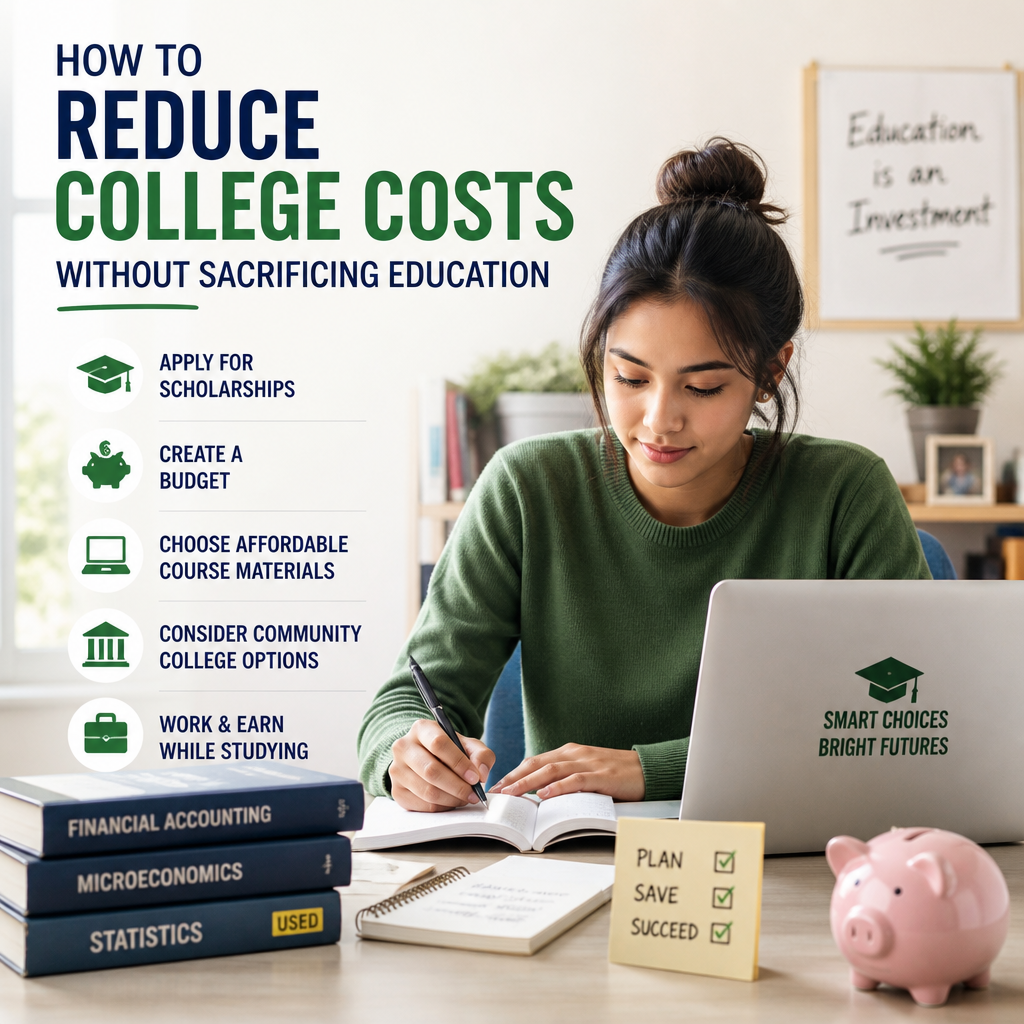
Saving money in college works best when you think beyond tuition alone. Many students overspend on housing, textbooks, food, transportation, and fees without realizing how much those costs add up over four years. The most effective approach is to build a plan that protects educational quality while trimming unnecessary expenses.
Start with the Right College Choice
The college you choose has the biggest impact on total cost. A lower sticker price does not always mean a better deal, and a higher-priced school is not automatically worth the extra money.
Compare net price, not just tuition
Most schools publish a sticker price, but that number can be misleading. Instead, look at the net price, which is what you pay after grants and scholarships are applied.
When comparing schools, review:
- Tuition and mandatory fees
- Average grant aid
- Housing and meal plan costs
- Books and supplies
- Transportation and personal expenses
Use each school’s net price calculator before applying or committing. This gives you a much clearer picture of what college will actually cost.
Consider public universities and community colleges
In many cases, public universities offer a strong education at a lower cost than private schools, especially for in-state students. Community colleges can also be a smart first step.
A common low-cost path is:
- Complete general education requirements at a community college
- Transfer credits to a four-year school
- Finish your bachelor’s degree at the university level
This approach can dramatically reduce tuition while still leading to the same degree.
Look for strong programs, not just famous names
Prestige matters in some fields, but many employers care more about skills, internships, and performance than brand name alone. A lesser-known school with a strong program, supportive faculty, and internship connections may provide better value than a more expensive option.
Use Financial Aid Strategically
Financial aid can make college far more affordable, but only if you understand the differences between free aid and borrowed money.
Maximize grants and scholarships
Grants and scholarships are the best forms of aid because you do not have to repay them. Apply early and widely.
Good places to look include:
- Federal and state aid programs
- Institutional scholarships from your college
- Local community organizations
- Employers, unions, and professional associations
- Major-specific scholarships
Treat scholarship applications like a part-time job. Even small awards can reduce costs for books, transportation, or housing.
Complete the FAFSA every year
The Free Application for Federal Student Aid (FAFSA) helps determine your eligibility for federal aid, state aid, and many school-based programs. Submit it every year as early as possible.
Even if you think you will not qualify, still apply. Aid formulas can change, and many schools use FAFSA information to award grants and work-study funds.
Borrow carefully and only when necessary
Student loans can help fill the gap, but they should not be your first option.
If you need to borrow:
- Use federal loans before private loans
- Borrow only what you truly need
- Understand the interest rate and repayment terms
- Keep track of total debt across all years
A loan may seem manageable now, but small amounts can become a heavy burden after graduation if you borrow too much.
Cut Housing and Living Expenses
Housing is often the second-largest college expense after tuition. Small decisions here can save thousands over time.
Live at home if it makes sense
If you have a college nearby and a workable home environment, commuting from home can lower costs significantly. You may save on rent, utilities, and meal plans.
This option works best when you can still participate in campus life through clubs, study groups, and office hours.
Choose lower-cost housing options
If you need to live near campus, compare all available options:
- Shared apartments
- Dorms with lower-cost meal plans
- Off-campus housing farther from campus
- Roommates to split rent and utilities
A less expensive apartment can free up money for tuition, books, or emergency savings.
Be smart with meal plans and groceries
Meal plans can be convenient, but they are not always the cheapest choice. If your schedule is flexible, compare campus dining costs with grocery shopping and meal prep.
Helpful habits include:
- Cooking simple meals at home
- Packing lunch instead of buying food daily
- Using a meal plan only if you actually use it
- Avoiding food waste by planning weekly meals
Even modest savings on food can add up across a semester.
Lower Textbook and Course Material Costs
Course materials can become a major hidden expense, especially in programs that require multiple books, lab manuals, or software subscriptions.
Buy used, rent, or use digital versions
Before buying anything new, explore these options:
- Used textbooks
- Book rentals
- E-books or digital access codes
- Library copies
- Older editions when allowed by the professor
Many textbook changes between editions are minor. Always check with your instructor before buying the newest version.
Use campus resources
Libraries, tutoring centers, and academic departments often provide access to expensive materials. You may be able to borrow books, use reserve copies, or access databases for free through the school.
Some schools also offer:
- Free or low-cost printing
- Shared software licenses
- Open educational resources
- Course packs created by faculty
Ask before you buy
Wait until the first class meeting if possible. Some professors only assign certain chapters, while others may provide all readings digitally. Buying everything in advance can lead to wasted money.

Earn Credits Faster Without Rushing
One of the smartest ways to reduce college costs is to finish your degree sooner. That does not mean overloading yourself and risking burnout. It means earning credits efficiently.
Take AP, IB, dual enrollment, or CLEP credits
If you are still in high school or just starting college, pre-college credit can shorten your path to graduation.
You may be able to earn credit through:
- Advanced Placement (AP)
- International Baccalaureate (IB)
- Dual enrollment courses
- CLEP exams
These options can help you bypass introductory classes and save on tuition.
Choose a clear academic plan early
Changing majors can add semesters and increase costs. That does not mean you should stay in a bad major, but you should explore your interests early and make an informed choice.
To stay on track:
- Meet with an academic advisor each semester
- Review degree requirements regularly
- Register for required courses as soon as possible
- Avoid taking unnecessary electives if they delay graduation
A focused plan can reduce extra semesters and the debt that comes with them.
Take a manageable course load
Taking too many credits can backfire if your grades drop or you need to repeat courses. Repeating a class costs time and money. Aim for a pace you can maintain while still progressing steadily.
Work While You Study
A part-time job or work-study position can help you cover expenses without taking on more debt.
Use work-study if available
Federal work-study jobs are often designed with students in mind. They may offer flexible hours and campus-based roles that fit around your class schedule.
Benefits can include:
- A steady paycheck
- Less dependence on loans
- Experience for your résumé
- Convenient scheduling
Look for jobs that support your career
Not every student job is equal. If possible, look for work that builds relevant skills or strengthens your professional network.
Examples include:
- Research assistant roles
- Lab support
- Tutoring
- Administrative work in your department
- Internships with pay or stipends
These jobs can help pay bills while also strengthening your future job prospects.
Avoid Unnecessary College Expenses
Some college spending is optional, even when it feels normal. Being intentional can protect your budget without reducing your educational experience.
Track fees and subscriptions
Colleges sometimes charge extra for:
- Lab fees
- Technology fees
- Recreation fees
- Student services
- Parking permits
Review your account carefully. If a fee is optional, ask whether you really need it.
Be careful with student credit cards
Credit cards can be useful in emergencies, but high-interest debt can grow quickly. If you use one, keep balances low and pay on time.
A simple rule: do not use a credit card to finance lifestyle spending you cannot afford with your current budget.
Shop for essentials strategically
You do not need to buy every dorm item or classroom accessory at full price. Look for:
- Student discounts
- Used furniture
- Bulk purchases with roommates
- Free campus events and services
Small savings on everyday purchases can reduce overall pressure on your budget.
Make the Most of Campus Resources
A strong college experience does not have to be expensive. Many schools already provide services that students overlook.
Use academic support services
Free tutoring, writing centers, office hours, and advising can help you succeed academically without paying for outside help.
If you use these services early, you may avoid:
- Failed classes
- Repeated courses
- Delayed graduation
- Costly academic setbacks
Participate in free student activities
Campus life does not have to drain your wallet. Many universities offer free or low-cost events, clubs, lectures, and recreational programs. These activities can help you build friendships and feel connected without spending heavily off campus.
Take advantage of career services
Career centers can help with resumes, internships, interview prep, and job searches. Better career outcomes can make your degree more valuable and improve your return on investment.
Think Long-Term, Not Just Semester-by-Semester
The best strategy for how to reduce college costs without sacrificing your education is to make decisions that protect both your budget and your future opportunities.
Ask yourself:
- Will this choice help me graduate on time?
- Does this expense improve my education or just my convenience?
- Is there a lower-cost option with the same outcome?
- Will this create debt that limits my choices later?
When you think long-term, you can spend more wisely and graduate with more flexibility.
Practical Example: A Smarter Four-Year Plan
Imagine two students with similar goals.
Student A chooses an expensive private school, lives on campus all four years, buys new textbooks every semester, and changes majors once.
Student B starts at a community college, transfers credits, lives with family for two years, uses used books, and follows a clear academic plan.
Both students can earn a strong education. But Student B may finish with far less debt and more freedom after graduation. That is the real value of cost reduction: not just saving money now, but creating better options later.
Frequently Asked Questions
1. Is community college a good way to save money on college?
Yes. Community college can reduce the total cost of a degree, especially if you complete general education requirements there and then transfer to a four-year university. It is important to confirm that credits will transfer and that the school you plan to attend accepts them.
2. Does a lower-cost college mean a lower-quality education?
Not necessarily. Quality depends on the strength of the program, faculty, student support, internship opportunities, and outcomes—not just price. Many affordable schools offer excellent academic experiences and strong career preparation.
3. Should I take out student loans if I can avoid them?
If you can avoid borrowing, that is usually the best financial choice. If loans are necessary, federal loans are generally safer than private loans because they often offer more flexible repayment options and borrower protections.
4. How can I save money on textbooks without hurting my grades?
Wait for the syllabus, compare rental and used options, check the library, and ask professors whether older editions are acceptable. Many students save money by using digital resources or borrowing materials whenever possible.
5. What is the biggest mistake students make when trying to save money in college?
One of the biggest mistakes is focusing only on the upfront cost instead of the total cost. A cheaper option that delays graduation, causes repeated classes, or limits academic support can end up costing more in the long run.
Official Resources
- Federal Student Aid: Completing the FAFSA
- Federal Student Aid: Compare Aid Offers
- College Scorecard
- Consumer Financial Protection Bureau: Student Loans
- U.S. Department of Education: Financial Aid
Conclusion
Reducing college costs does not mean settling for a weaker education. In fact, the smartest savings strategies often improve your overall experience by helping you choose the right school, avoid unnecessary debt, and stay focused on graduation. From comparing net price and maximizing financial aid to living strategically and using campus resources, each decision can make college more affordable without sacrificing academic quality.
The key is to think intentionally. Every dollar you save on housing, textbooks, or loan interest is a dollar you can put toward your future. Just as important, every choice that helps you graduate on time can protect you from extra semesters and extra borrowing. When you combine planning, discipline, and flexibility, college becomes more manageable and more valuable.
If you are starting your college journey or looking for ways to lower costs now, begin with the biggest expenses first. Review your aid package, map out your degree plan, and identify one or two changes you can make this semester. Small adjustments can lead to major savings over time—and a stronger financial start after graduation.