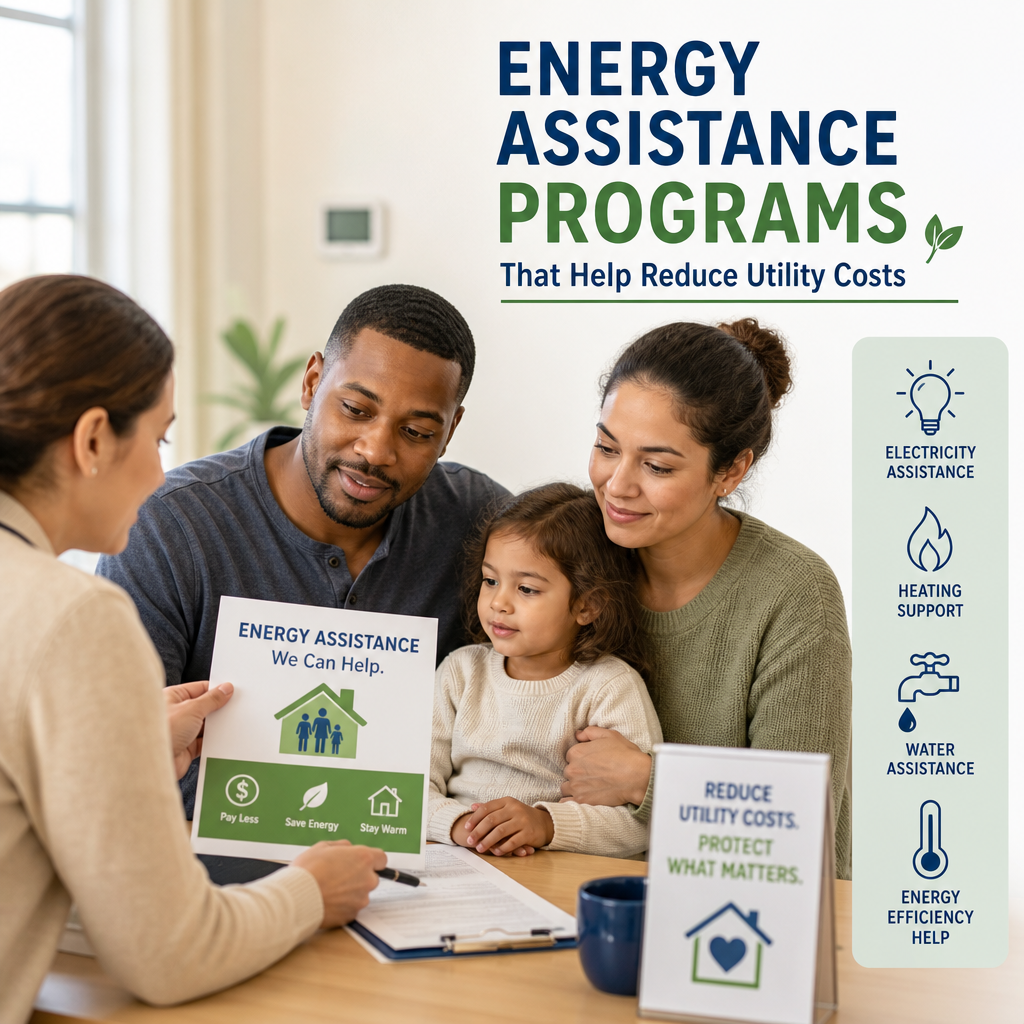
Energy Assistance Programs That Help Reduce Utility Costs
Energy assistance programs can help ease the burden of rising utility bills by offering bill payment support, weatherization help, and other cost-saving resources. If you’re struggling to keep up with heating, cooling, or electricity costs, these programs may provide the relief you need to stay safe and connected.
By: Emily Adams on July 30, 2026
Rising utility bills can strain any household budget, especially when heating, cooling, or electricity use spikes with the seasons. That’s where energy assistance programs that help reduce utility costs can make a real difference. These programs are designed to help eligible households keep the lights on, maintain safe indoor temperatures, and avoid the stress of late bills or shutoff notices.
Whether you rent or own, live in a house or apartment, or are simply trying to make ends meet, understanding your options can help you lower monthly expenses and stay connected to essential services. In this guide, we’ll break down the most common types of energy assistance programs, who qualifies, how to apply, and practical steps you can take to stretch your energy dollars further.
What Are Energy Assistance Programs?
Energy assistance programs are public or nonprofit resources that help households pay for home energy costs. Depending on the program, support may cover:
Electricity
Natural gas
Heating oil or propane
Water-related utility costs in some areas
Weatherization or home energy improvements
These programs are especially helpful for low-income families, older adults, people with disabilities, and households facing temporary financial hardship. Some programs provide direct bill payment support, while others reduce long-term costs through efficiency upgrades.
Why These Programs Matter
Utility costs are often non-negotiable. Unlike other monthly expenses, you usually can’t simply cut back on essential heating or electricity use without affecting health and comfort. Energy assistance programs that help reduce utility costs can:
Prevent utility shutoffs
Ease pressure during extreme weather
Support families on fixed incomes
Improve home energy efficiency
Reduce monthly expenses over time
Types of Energy Assistance Programs That Help Reduce Utility Costs
There are several kinds of assistance available, and many households qualify for more than one program.
1. Home Energy Bill Payment Assistance
This is the most common form of support. It helps eligible households pay a portion of their energy bills, usually during periods of high demand such as winter or summer.
A well-known example is the Low Income Home Energy Assistance Program (LIHEAP), which is administered by states, tribes, and territories with federal funding. LIHEAP can help with heating and cooling costs, crisis situations, and sometimes minor energy-related repairs.
What it may cover:
Past-due balances
Current energy bills
Emergency utility shutoff prevention
Fuel delivery for homes using oil, propane, or wood
2. Weatherization Assistance Programs
Weatherization programs help make homes more energy efficient so families use less energy overall. This can lead to lower bills month after month.
Common improvements may include:
Air sealing
Insulation
Furnace safety checks
Duct sealing
Basic heating system repairs
Energy-saving lighting upgrades
Weatherization is often one of the most valuable energy assistance programs that help reduce utility costs because it targets the root cause of high bills: energy loss.
3. Utility Company Payment Plans and Hardship Programs
Many utility companies offer customer assistance options directly. These may include:
Budget billing plans
Deferred payment agreements
Arrearage management plans
Discounts for eligible customers
Shutoff protection during extreme weather or hardship periods
If you’re struggling with bills, contact your utility company as early as possible. Waiting until a shutoff notice arrives can limit your options.
4. State and Local Assistance Programs
States, cities, counties, and nonprofit organizations often run their own programs to supplement federal aid. These programs may be funded through community action agencies, energy funds, or local government grants.
Examples include:
Emergency utility grants
Rental assistance with utility support
Furnace repair or replacement programs
Assistance for seniors or households with young children
5. Nonprofit and Faith-Based Emergency Support
Local charities, churches, and community organizations sometimes provide one-time assistance for utility bills. While funding is usually limited, these programs can help bridge a short-term gap when another payment source is delayed.
Who Qualifies for Energy Assistance?
Eligibility varies by program, but most consider household income, household size, and whether someone in the home is especially vulnerable to heat or cold.
Common eligibility factors include:
Household income relative to federal or state guidelines
Number of people living in the home
Utility account status
Residential status
Age, disability, or medical need in the household
Past-due or shutoff risk status
Some programs prioritize households with:
Older adults
Children under 5
People with disabilities
Individuals using medical equipment that requires electricity
Households facing a utility crisis
Because rules vary by location, it’s worth applying even if you’re unsure. Many applicants assume they earn too much, but income limits can differ from one program to another.
How to Apply for Energy Assistance Programs
The application process is usually straightforward, but gathering documents ahead of time can save a lot of frustration.
Step 1: Find the Right Program
Start by identifying what help is available in your state or community. You may need to contact:
Your state energy office
Local community action agency
Department of social services
Utility provider
211 helpline or local resource directory
Step 2: Gather Required Documents
Most applications ask for:
Photo identification
Proof of income
Recent utility bills
Social Security numbers or household information
Lease or proof of residence
Documentation of a medical need, if applicable
Step 3: Submit the Application
Applications may be available:
Online
By mail
In person
Through a local agency partner
If you qualify for multiple programs, the same application may sometimes screen you for several types of assistance.
Step 4: Follow Up
Processing times can vary, especially during high-demand seasons. Keep copies of everything you submit, and follow up if you don’t hear back within the expected timeframe.
Tips to Reduce Utility Costs While You Wait for Assistance
Energy assistance can help right away, but there are also practical ways to lower your bills in the short term.
Make Small Efficiency Changes
Even simple habits can reduce energy use:
Turn off lights when leaving a room
Use cold water for laundry when possible
Run full loads in the dishwasher and washing machine
Replace old bulbs with LEDs
Seal drafty windows with temporary weather stripping or plastic film
Manage Heating and Cooling Wisely
Heating and cooling usually make up the largest share of energy use in many homes. Try these steps:
Set thermostats a few degrees lower in winter and higher in summer
Use ceiling fans to improve comfort
Close blinds during hot afternoons
Wear layers indoors when temperatures drop
Keep vents and radiators unobstructed
Watch for Hidden Energy Waste
Some devices continue using power even when turned off. Consider:
Unplugging chargers and unused electronics
Using smart power strips
Checking refrigerator door seals
Cleaning HVAC filters regularly
Ask Your Utility Company About Customer Support
Utilities may offer:
Energy audits
Free efficiency kits
Bill alerts
Payment extensions
Programs for medically vulnerable customers
A quick call can uncover options you didn’t know existed.
How Energy Assistance Can Lead to Long-Term Savings
Many people think of utility aid as a temporary fix, but the right programs can have lasting benefits.
Weatherization Creates Ongoing Savings
Unlike a one-time bill payment, weatherization can reduce energy use every month. Better insulation, sealed ducts, and repaired heating systems can all make a noticeable difference in comfort and cost.
Budget Billing Helps Smooth Seasonal Spikes
If your utility offers budget billing, your payments may be averaged over the year. That won’t reduce total annual usage, but it can make bills more predictable and easier to manage.
Prevention Is Cheaper Than Crisis
Early assistance can help you avoid:
Late fees
Reconnection fees
Borrowing money at high interest
Food or rent trade-offs caused by utility stress
Common Mistakes to Avoid
When applying for energy assistance programs that help reduce utility costs, a few common mistakes can slow down approval.
Waiting Too Long to Apply
If you’re behind on bills, apply as soon as possible. Some programs have limited funding and serve people on a first-come, first-served basis.
Not Providing Complete Documents
Missing proof of income or an outdated utility bill can delay your application. Double-check the checklist before submitting.
Ignoring Utility Notices
If you receive a shutoff notice, respond immediately. You may have emergency protections or crisis assistance available.
Assuming You Don’t Qualify
Many households overlook available aid because they believe the income limits are too low or the process is too complicated. It’s often worth checking.
Practical Example: How Assistance Can Help
Imagine a family with rising winter heating bills and one parent working reduced hours. They apply for LIHEAP through their local community action agency and qualify for bill payment assistance. At the same time, they are referred to a weatherization program that seals drafts and adds insulation in the attic.
The result?
Their immediate bill pressure drops
Their home feels more comfortable
Their heater runs less often
Their monthly energy use improves over time
That combination of short-term help and long-term efficiency is exactly why these programs matter.
Frequently Asked Questions
What is the best program for help with utility bills?
The best program depends on your location and situation, but LIHEAP is one of the most common federal programs for bill assistance. In many areas, you can also access weatherization support, utility payment plans, and local nonprofit aid. The best approach is to check with your local community action agency or state energy office to see which programs are available in your area.
Can renters apply for energy assistance?
Yes, renters can often apply for energy assistance programs, especially if they are responsible for paying utilities directly. Even if utilities are included in rent, some programs may still offer help indirectly through landlord-based weatherization or other community resources. Eligibility rules vary, so renters should check local requirements carefully.
Does energy assistance only help in winter?
No. Many programs help with both heating and cooling costs. In fact, some households need support most during hot summer months when air conditioning use rises. LIHEAP and similar programs may provide seasonal cooling assistance in certain states, depending on funding and local policy.
Is weatherization the same as utility bill help?
Not exactly. Bill help provides direct payment support, while weatherization improves a home’s efficiency so energy bills may stay lower in the future. Weatherization can include insulation, sealing drafts, and system repairs. It’s a longer-term solution that often complements bill payment assistance.
How do I find local energy assistance near me?
Start with your state energy office, local community action agency, or the national 211 helpline. You can also contact your utility provider to ask about hardship programs and payment arrangements. Local nonprofit organizations and government service offices often maintain updated lists of available aid.
Energy bills can be difficult to manage, but help is available. From LIHEAP and weatherization services to utility company payment plans and local emergency grants, energy assistance programs that help reduce utility costs can provide both immediate relief and long-term savings. The key is to act early, gather your documents, and explore every option available in your area.
If you’re behind on bills or worried about next month’s payment, don’t wait for the situation to get worse. Check your state and local resources, contact your utility provider, and ask about programs that match your household’s needs. Even small improvements, like weatherization or a budget billing plan, can make a meaningful difference over time. With the right support and a few practical energy-saving habits, you can protect your household budget while keeping your home safe and comfortable.
Emily A, holds a Master's degree in Public Administration (MPA) and has over 7 years of experience researching federal and state assistance programs. She writes educational content focused on government benefits, public policy, and community resources, using information from official agencies to help readers understand available programs and eligibility requirements.